
We specialize in installation and service of Hayward Salt Chlorine Generators, ensuring your pool water is clean, healthy, and enjoyable.
Our knowledgeable staff can discuss the variety and advantages of various pool sanitation options. We understand the unique needs of both aboveground and inground pools, and our certified technicians are equipped to handle any installation or service requirement.
Why Choose a Salt Chlorine Generator?
Salt chlorine generators free up your time and make pool maintenance more convenient. Learn more by reading our Salt Chlorine Generators FAQ. Experience the benefits of consistent chlorine levels, reduced chemical costs, and an automated sanitization system.
It’s also important to protect local waterways by understanding our region’s regulations on pool chemical discharge, and find out if a salt chlorine generator is right for you.
Salt Chlorine Generator Installation & Service
We offer both the Hayward Aqua Trol for aboveground pools and the Hayward Aqua Rite for inground pools. The key difference lies in the cell mounting.
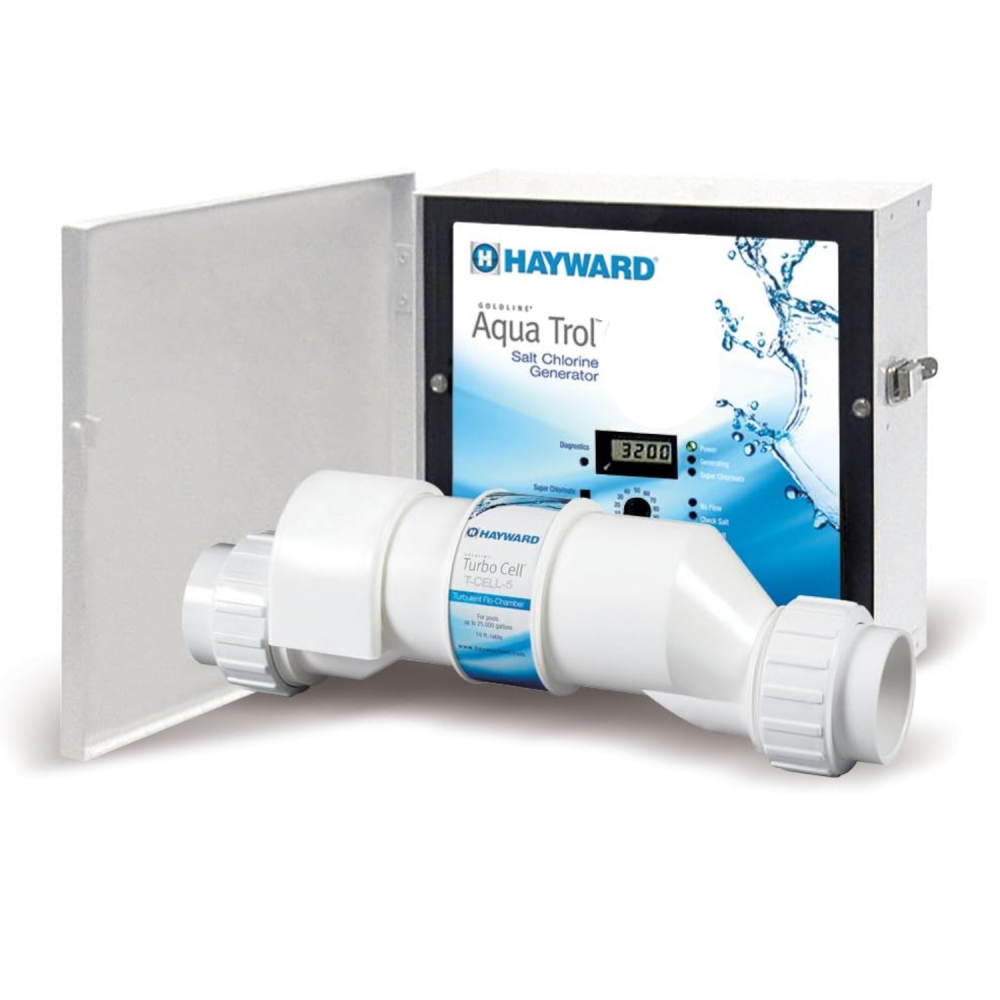
For Aboveground Pools (Aqua Trol):
The cell is wall-mounted, allowing the generated chlorine gas to directly flow into the pool water.
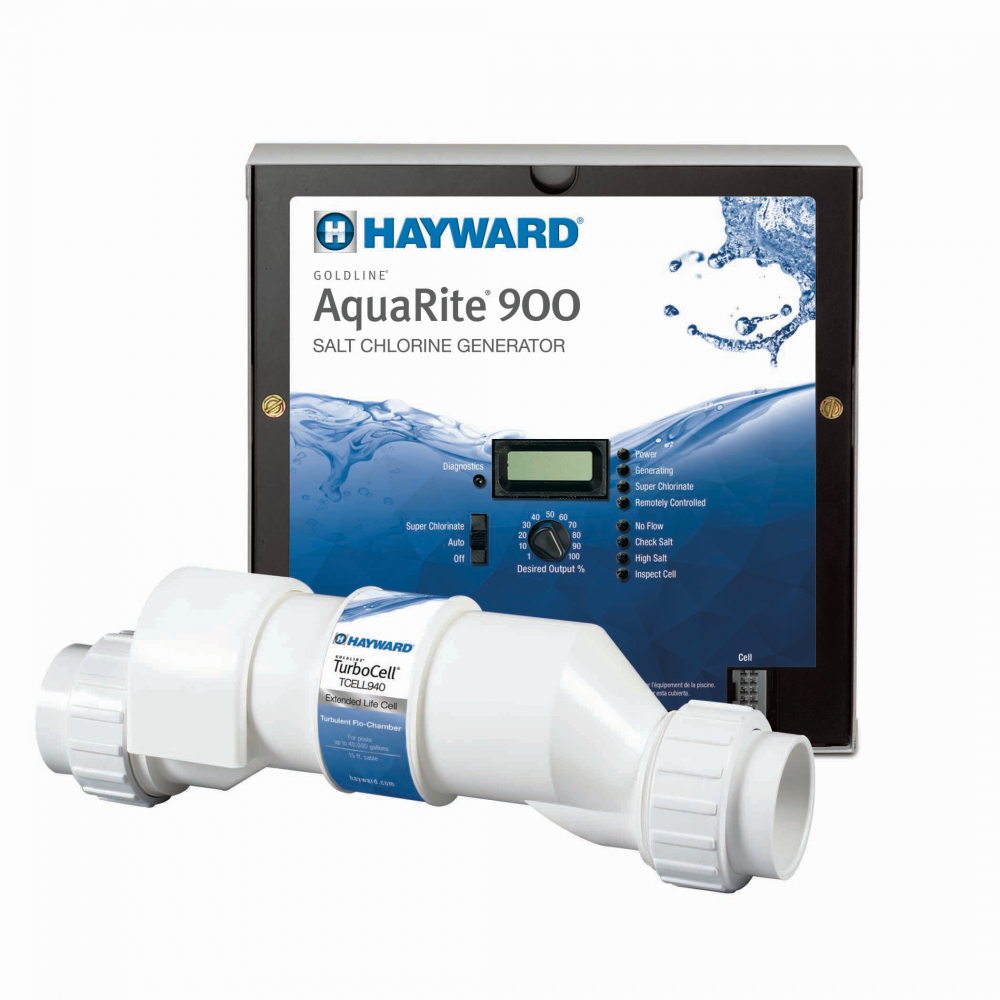
For Inground Pools (Aqua Rite):
These systems require a flow switch to prevent potentially dangerous chlorine gas buildup within the pipes.
Salt System Installation:
If it’s time to install or replace your salt generator, some re-plumbing may be required for proper plumbing connections. A professional installation ensures correct setup, optimizing performance and preventing issues. Our technicians handle the plumbing and calibration, giving you peace of mind and maximizing the lifespan of your new system. Calibration is extremely important as it ensures the salt level, chlorine output, and flow rate are all correct. We can help with:
- Hayward Aqua Rite Inground Salt Generator Installation & Service
- Hayward Aqua Trol Aboveground Salt Generator Installation & Service
- Water Testing
- Equipment Troubleshooting & Repair
- Parts Replacement
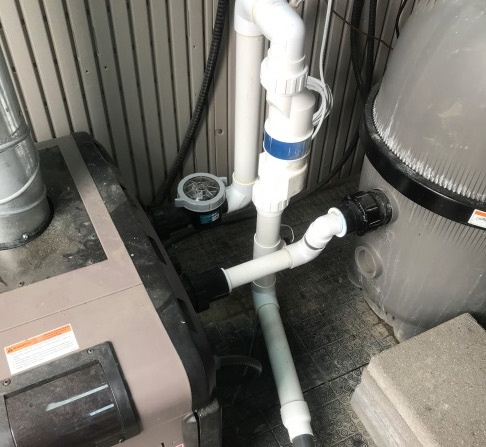
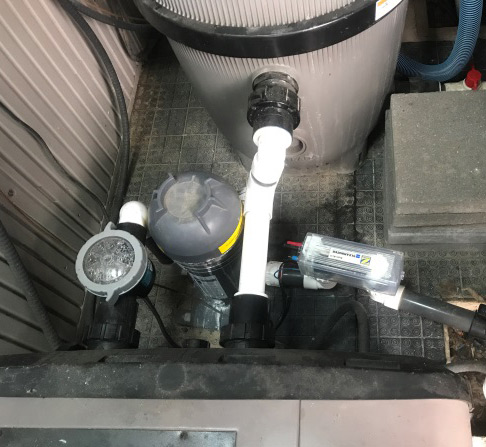
For a before and after comparison, drag the vertical slider left or right.
Equipment Lifespan & Replacement:
Like any mechanical system, pool equipment has a lifespan. Pumps, filters, heaters, and salt generators eventually wear out due to constant use, exposure to chemicals, and weather conditions. Older or inefficient equipment may need to be replaced to ensure optimal performance. When parts are needed, we carry a huge selection in stock. If you’re replacing old equipment, we can help!
Additional Automation Systems:
We also install and service Hayward Automation Systems, including:
- OnCommand Controller
- Pro Logic Total Pool Management
- Sense and Dispense
- Aqua Solar Heating Control
- Aqua Connect Home Network
Frequently Asked Questions
Wondering if a salt chlorine generator is the right fit for your pool? Discover how local municipal drainage regulations in Hamilton and surrounding areas affect salt pool owners, how to test whether your pool structure and equipment are compatible with salt water, and what to realistically expect when it comes to ongoing maintenance:
A salt system automatically sanitizes your pool by converting salt (NaCl) into free chlorine, which kills bacteria and algae in the pool. After killing the bacteria, chlorine will revert back to sodium chloride. These reactions will continuously recycle, virtually eliminating the need to add sanitizing chemicals to your pool.

Salt dissolves in pool water and passes through the ‘Turbo Cell’; electrolysis separates the salt from the water.
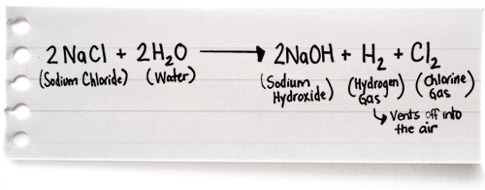

The chlorine gas reacts with the pool water, producing our Sanitizer, Hypochlorous Acid!
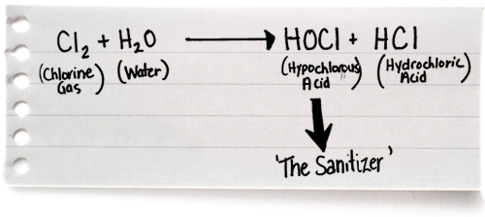

Hypochlorous acid oxidizes dirt, bacteria and chloramines.
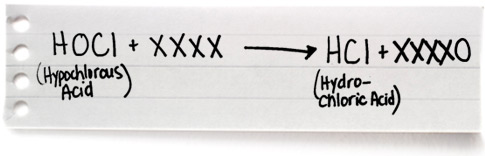

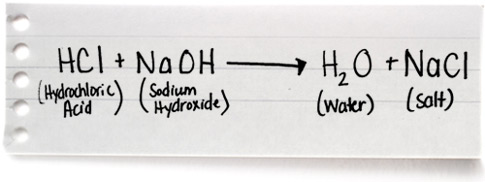
Hydrochloric acid combines with sodium hydroxide to form water and salt, starting the process all over again!

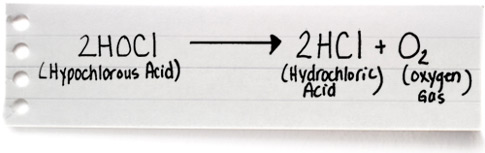
If the Stabilizer (Cyanuric Acid) level in the pool water is not high enough, hypochlorous acid decomposes into hydrochloric acid and oxygen in the presence of sunlight. (The chlorine will burn off too quickly if not protected by the appropriate amount of Stabilizer).
Traditional chlorine ties up with wastes in the water creating what are called chloramines. Electronic chlorinators continuously oxidize the chloramines and create “Free Chlorine”. Chloramines are what cause common side effects associated with chlorine such as irritation to eyes and skin, bleaching of bathing suits, and that awful chlorine smell. Furthermore you will no longer have to buy, mix or store chlorine, which saves time, money and keeps you from direct contact with a potentially harmful chemical.
Yes. Pool water stabilizer is required to hold the ‘Free Chlorine’ generated by your Salt System. Stain and Scale inhibitors are required to protect the electrodes of the cell and pH balancers may also be required to balance your water chemistry.
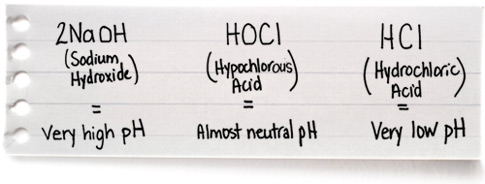
Two parts of NaOH are being produced for every one part HOCI and HCI therefore, over time we see a higher pH.
Generally you should not be able to taste any salt in the pool because the level of salt in the water is so low. Salt machines work at ranges from 1500-3200 salt content—less than our tears! However, some people with sensitive palates might detect a small amount of salt.
It is important to only use Sodium Chloride (NaCl) that is as pure as possible. We obtain our salt directly from a pool chemical distributor and have Pool Salt available for purchase at The Pool Shoppe year round. Using inexpensive salts that are less pure (such as water conditioning salt pellets) is acceptable; however, it will take much longer for these salts to dissolve. Never use rock salt, salt with yellow prussiate of soda, salt with anti-caking additives such as table salt, or iodized salt in your swimming pool.
The Hayward Aqua Trol™ and Aqua Rite™ salt chlorine generators work best with approximately 3200 parts per million (ppm) of salt but will operate when levels are between 2700-3400ppm. 3200ppm is roughly the equivalent of 1 teaspoon of salt per gallon of water. To add salt to your pool, turn on the circulating system and add the salt directly to the pool. Brushing around the salt will allow it to dissolve faster and ensure it does not settle on the bottom of the pool.
The only time you may need to add more salt to the pool is when water is replenished due to backwashing, draining, or splashing (not evaporation). The control panel on your salt system shows the level of salt in the pool in parts per million and LED lights indicate when the salt level is too low or too high. If the salt level is high, the only way to lower the salt concentration is to partially drain the pool and refill with fresh water. The Pool Shoppe can test your salt levels in our water lab free of charge to ensure that you are operating at the proper level. *Note that it may take up to 24 hours for the salt display to register a change in salt concentration.
The Salt System does not get removed during the winter months. The electronic control box is capable of withstanding cold temperatures however the cell gets winterized just as other equipment would be: by removing all water from the unit. Failing to remove all the water can damage both the Turbo cell and the flow detection cell.
Refer to Will I need to add any other chemicals to my pool? question above.