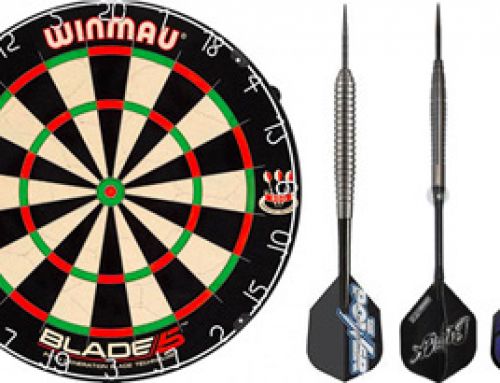
Not all darts are equal, and with dozens of different shapes, styles, price points, and brands to choose from, purchasing a set of darts could be a daunting and difficult task. Whether you’re a casual player aiming for fun, or an aspiring pro, we can help you learn the difference between the two most common types of darts, brass and tungsten. Let’s focus on the differences between brass and tungsten darts so you know precisely how using them will affect your game, and make that decision a little bit easier!
Material and Density
Brass is a combination of mainly copper and zinc, meaning it is a softer, less dense material. This results in brass darts requiring a bulkier barrel to meet the common weight brackets. Darts with a high percentage of tungsten, usually 80% +, are typically twice as dense as brass, making them thinner and more durable. The denser the material, the sleeker the dart can be!
Performance and Play
Brass can be a bit more forgiving for beginner players, as the lighter mass can glide easily through the air on lighter throws and therefore, it is easier to master aim and control. On the downside, the lower density can lead to some instability in mid-air making the flight path pretty inconsistent. Tungsten darts are often slimmer, more aerodynamic than brass, ensuring less air resistance and fewer disruptions in flight. The shape of a dart can determine not only accuracy but also detailed precision. For example, a smaller diameter of a dart can allow for shots to land close together with no collision in tight scoring zones.
Price and Value
A quality dart can be a fair investment. The higher the price is usually determined by factors such as brand, barrel design, and percentage of tungsten. Brass darts are usually much more economical. Most successful dart players, however, would agree that extra cost is well justified. Aside from the previously mentioned points about performance, tungsten is far more durable. It is far more resistant to dents and scratches which in theory, will outlast brass by a wide margin.